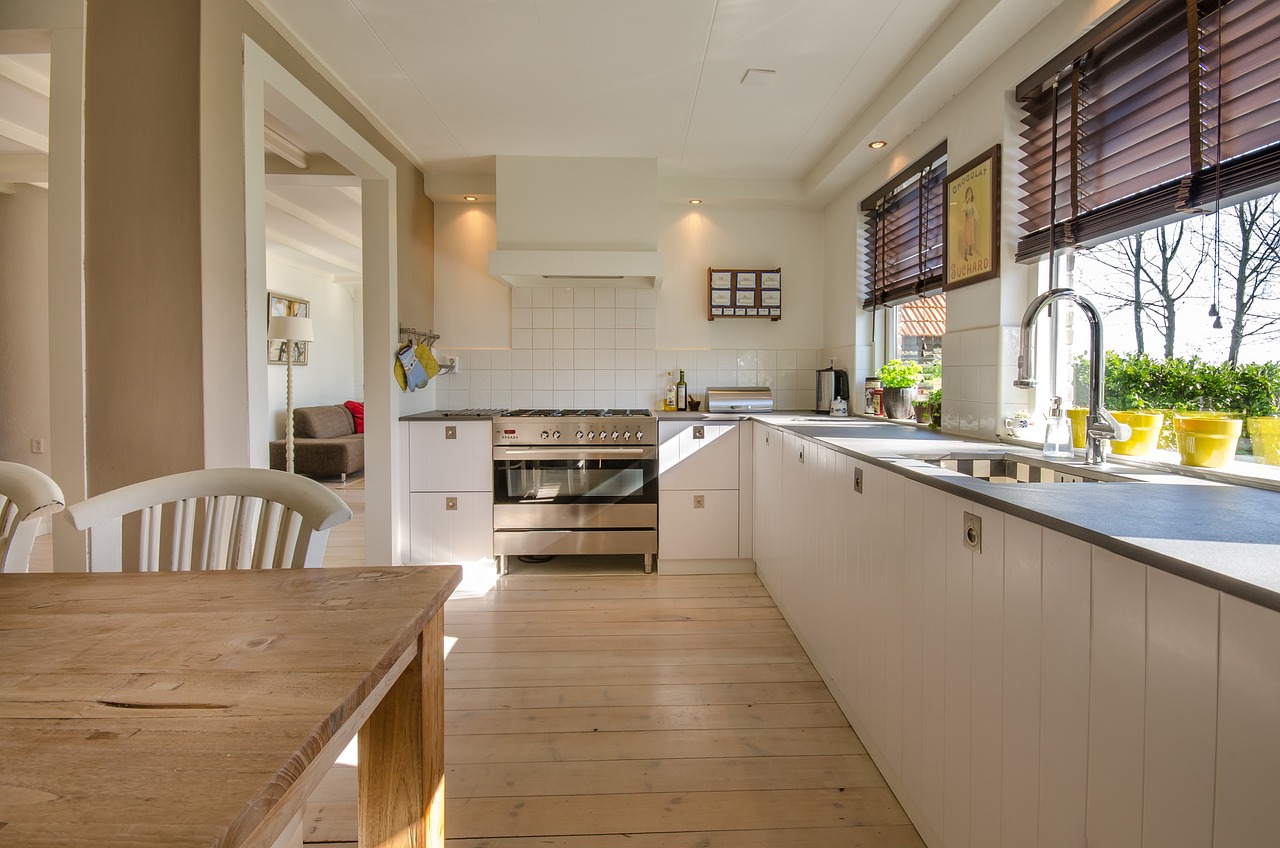
White quartz gives your kitchen a bright, clean look while standing up to daily use with strong, low-maintenance performance. If you want a durable, stain-resistant surface that mimics the look of marble without the upkeep, white quartz is one of the smartest choices for a kitchen countertop.
You’ll see how a White Quartz Kitchen Countertop compares to other materials, what design styles it complements, and what to expect for installation and upkeep so you can choose confidently. The next sections break down benefits, styling tips, and practical installation and maintenance considerations to help you plan the right countertop for your space.
Benefits of White Quartz Kitchen Countertops
White quartz gives you a blend of long-term performance, easy upkeep, and flexible looks that suit many kitchen styles. You’ll find practical advantages in strength, hygiene, and design options that affect daily use and future resale value.
Durability and Longevity
White quartz is engineered from crushed quartz and resin, which makes it significantly harder and less likely to chip than many natural stones. Expect resistance to scratches from knives and utensils during normal prep, though you should still use cutting boards to protect both blade edges and the surface finish.
The material resists stains from common kitchen substances like coffee, wine, and oil when cleaned promptly. It also tolerates ordinary heat, but avoid placing hot pans directly on the surface to prevent resin discoloration or thermal stress. Proper installation and a solid substrate help the slab perform for decades with minimal issues.
Non-Porous Surface Advantages
Quartz is non-porous, so it won’t absorb liquids the way granite or marble can. That means less staining and fewer worries about bacterial growth in seams or microscopic pits.
You’ll spend less time on deep cleaning and sealing—unlike natural stone, quartz doesn’t require annual sealing. Routine cleaning with mild detergent and water keeps the surface sanitary. For tougher messes, non-abrasive cleaners work without dulling the finish, which helps maintain a consistent appearance in food prep areas.
Aesthetic Versatility
White quartz comes in many shades and patterns, from pure white to soft veining that mimics marble. You can choose a consistent, engineered look or pick slabs with subtle movement to create a luxury appearance without marble’s maintenance needs.
The neutral base pairs well with bold cabinet colors, warm wood tones, and stainless hardware. Fabricators can edge-profile and seam quartz cleanly, so you can get squared, eased, or ogee edges and nearly invisible seams for large islands. That flexibility helps you match specific design goals while keeping performance practical.
Installation and Maintenance Considerations
White quartz offers high durability, consistent color, and low porosity, but proper installation and routine care determine long-term performance and appearance. Expect precise measurement, careful seam placement, and specific cleaning methods to protect finish and warranty.
Professional Installation Process
Have a certified fabricator template your kitchen with full-size cardboard or digital templates; accurate measurements prevent gaps and misaligned seams. Confirm substrate is level within 1/8″ over 8 feet and that cabinets are fully secured before delivery.
Ask the fabricator to dry-fit slabs to verify seam placement and vein matching. Request seams be located in low-traffic areas where possible and finished with color-matched epoxy. Ensure overhangs follow manufacturer limits (typically 1″ unsupported for edge profiles; expect increased support for thicker or extended overhangs).
Insist on proper countertop seams, adhesive, and silicone backer where appliances and sinks meet. For undermount sinks and heavy fixtures, use plywood or steel reinforcement as specified. Document who is responsible for cutting holes, polishing edges, and final cleanup to protect warranty coverage.
Routine Care and Cleaning
Wipe spills promptly using a soft cloth and mild dish soap diluted in warm water; quartz resists staining but long contact with pigments (turmeric, wine) can discolor sealants and grout. Avoid abrasive pads and powders; they can dull the polished surface.
Use only cleaners marked safe for quartz or pH-neutral cleaners; for dried residues, soak with a damp cloth and apply a non-abrasive plastic scraper at a low angle. Do not use oven cleaners, bleach concentrates, or high-alkaline products regularly; these can break down resin over time.
Protect the surface with cutting boards and trivets. Although quartz tolerates heat better than laminate, sudden thermal shock from hot pans can cause crazing or discoloration. Blot rather than rub stubborn stains and follow manufacturer care instructions to keep warranties valid.
Cost Factors
Expect material prices for white quartz to range widely based on brand, color complexity, and slab size; simple whites sit at the lower end, while engineered looks that mimic marble or have special veining cost more. Labor and fabrication add a sizable portion—budget for professional templating, seam work, and edge profiling.
Include extras in your estimate: sink cutouts, faucet hole drilling, reinforcements, and backsplash fabrication increase total cost. Transportation and slab waste (typically 10–20%) affect how many slabs you need and therefore the price. Ask for an itemized quote to compare slab cost, fabrication, installation, and disposal fees before you commit.